

 (LXXXVI) -137 (V) DCCCLI MDCCCLXXXI

 (LXXXVI) -137 (V) DCCCLI MDCCCLXXXI



Ad imperium Manual remissa adjuster In rotatione directe directe ad ipsam temperatio effectus, quae subtilis differentias in diversis mechanica structuras. Accipiens temperatio de fregit calceamentum alvi in car braking ratio ut exemplum, cum alvi indiget reduci, rotating nucis counterclockwise et expellam ad ventilabis virga ad retractare. In hoc tempore, in contactus superficies inter friction codex et fregit discus paulatim secundum conformacionem, et braking torque auget secundum. Sed contra est quod si temperatio cochlewise rotata, ut sit vere pressura, ut dimissa est ad widen. Hoc situ est commune in manual tionibus harundinem operationem Discus ardua - gyrari clockwise ad finem et convertendo counterclockwise per unum rursus ad curare ut in fregit et discus superficies tenere, ut rationabile procul. Sed aliquot clutch funem genus structurae, conversus temperatio cochlewise clockwise et actu brevior cable longitudinem et inferioris lacessit pedal positus. Hoc reverse logicam requirit operator ut a clarum intellectus in propria mechanica transmissione iter.
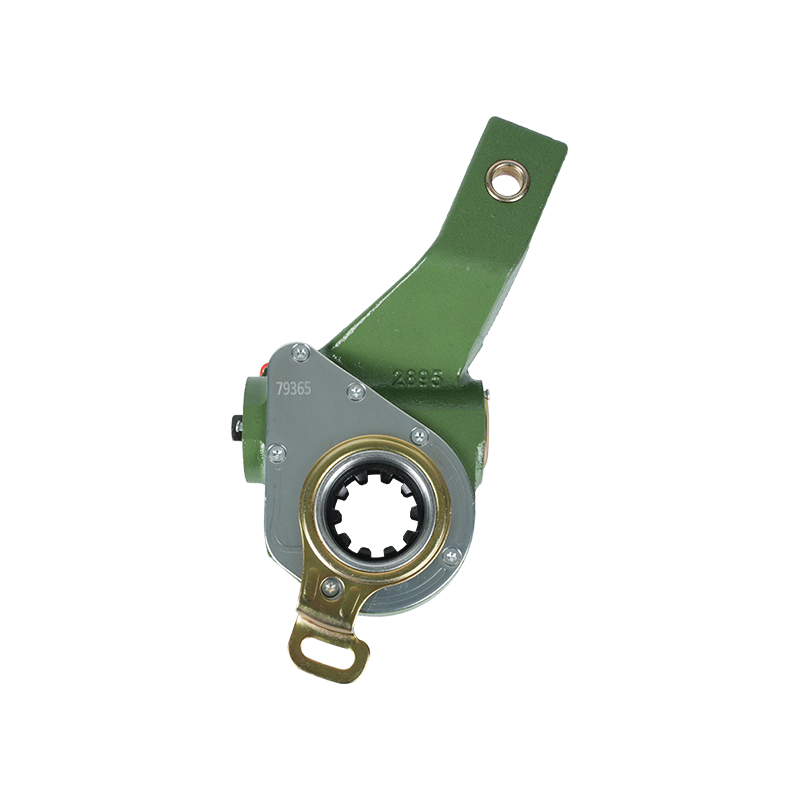
In sem adipiscinging ad alvi de gubernaculo calces, arbitrium rotationis directionem saepe necessitates ad esse cum corporalis spatium limitations. For example, when adjusting the adjustment screw of a mechanical steering gear, clockwise tightening may squeeze the gear meshing surface, eliminating the clearance between the gear pairs, while counterclockwise rotation will amplify the free stroke. Hoc temperatio saepe requirit plures itinere probat post denique-tuning ut quin num gubernaculo rotam virtual situ occurrit vexillum. Similiter in disciplina processus differentialis dimidium hastile alvi, clockwise gyrationis sinistra cochlea et counterclockwise gyrationis ius cochley potest producere eundem mechanico effectus, sed in ipsa operatio, oportet ad vitare immoderatam in unum latus axe axialiter ad vitare immoderatam in meshing vim axialiter impabitent. It is worth noting that for some precision equipment such as automatic slack adjustment arms, although servo motors are used to automatically rotate the rear cover, the basic principle of "increasing pressure clockwise, releasing slack counterclockwise" still needs to be followed when manually intervening, and the displacement of the rear cover should be monitored in real time through displacement sensors.
Practical experientia ostensum est quod etiam in diversas disparet gradus eiusdem fabrica, directio rotationis mutare potest. Exempli gratia, in initial crassum temperatio, in alvi est dimisit counterclockwise, et in bysso temperatio scaena, necesse est ad denique tune clockwise ad compensare ad scelerisque expansion effectus. The operator not only needs to understand the mechanical principles, but also develop a closed-loop thinking of "adjustment testing re inspection", cross verifying the correctness of the rotation direction through tactile feedback (such as changes in bolt torque) and auditory judgment (gear meshing noise).